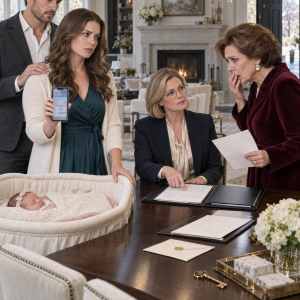
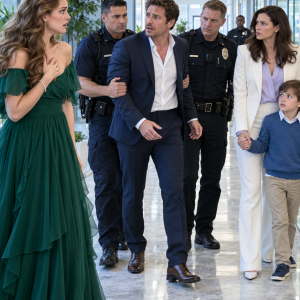
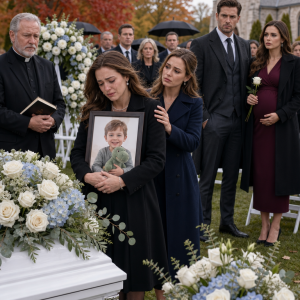
When your own child turns on you, it is not the pain that destroys you but the echo of their voice inside your heart.
That morning, the kitchen smelled faintly of mint and lemon polish, a brightness that felt false. I was stirring my tea by the window when my daughter-in-law, Lorraine, stepped in. Her eyes swept over me as if I were something spoiled.
“Do you ever notice,” she said softly, “how your presence makes the air heavy?”
Before I could answer, my son, Matthew, appeared behind her, holding a bottle of mouthwash. He avoided my gaze. I opened my mouth to speak, but his hand shot out, gripping my chin. Lorraine held my wrists as he poured the liquid between my lips. It burned all the way down, and I coughed until tears blurred my vision.
“Maybe now you will smell human again,” Matthew muttered.
When they left, laughing quietly, I stayed by the counter, trembling. It was not the stinging in my throat that hurt most but the realization that my boy, the same child I once held through fevers and nightmares, no longer saw me as his mother.
I did not shout. I did not fight. I let the silence wrap around me like a cloak. They thought they had reduced me to nothing. They were wrong.
That night, after they sent me to my room, I sat on the edge of the bed, my hands shaking. From the lining of my old robe, I pulled out a small recorder, something I had begun using weeks earlier when the cruelty had started to creep into daily life. The red light flickered softly. On it, I had captured their whispered conversations, their laughter, and one chilling line from Matthew himself:
“If she is gone by next month, the money transfers clean.”
I listened to it once, then again, the words cutting deeper each time. When the recording ended, I picked up the phone and called my lawyer, Mr. Vance. My voice was barely a whisper. “Seal the trust,” I told him. “And prepare to document everything. I might need protection soon.”
After hanging up, I looked at my reflection, swollen lips, bruised skin, tired eyes. But beneath the frailty, I saw something else, resolve. They thought I was fading. They had forgotten who raised them to be strong.
The next morning, while Lorraine decorated the living room for my upcoming birthday, I placed a tiny camera inside the porcelain vase by the mantel. My heartbeat thundered in my ears, not from fear but from purpose.

Two weeks later, the house glittered with fairy lights. A silver banner stretched above the fireplace reading Happy 72nd, Margaret Hale. The neighbors and church friends all came, drawn by Lorraine’s perfect hostess smile. I walked among them, polite, invisible. The bruises on my arms hid beneath long sleeves.
When dinner began, Matthew lifted his glass. “Here is to my mother,” he said. “May she keep blessing us with her presence for years to come.”