He tried again and again, leaving several messages. I listened to the first one while Wren slept against my shoulder.
“Lena, please pick up. I didn’t mean it the way it sounded. It was stupid. I was trying to look confident in front of the people at work. Warren is making this much bigger than it is. Call him, okay? Tell him there’s been a misunderstanding. We can talk about the house later. Please, think about Wren. I’m her father.”
I listened to the whole message, then set the phone down.
He had remembered Wren’s name only when he needed it.
I blocked his number and forwarded the messages to my attorney, Margaret Ellis. I didn’t want a fight over the phone or an emotional conversation in a motel room. I wanted a record of what he had said and a professional to handle the next steps.
The Second Loan
Margaret called less than an hour later.
She had represented my family for years, and she had a habit of speaking plainly without raising her voice.
“I’ve listened to the messages,” she said. “How are you and Wren?”
“She’s sleeping. We’re warm. I’m tired, but we’re safe.”
“Good. I’m arranging temporary housing, and I’ve filed an emergency request concerning the house. Changing the locks and putting your belongings outside without an agreement or court order gives us a strong basis to ask the judge for immediate relief.”
I looked at the contractor bags stacked beside the motel dresser.
“Can I go home?”
“That’s what I’m working on. We should also discuss the property records. The trust provided the down payment, and the deed is in your name. Colin may have rights connected to the marriage, so we’ll address those carefully, but he couldn’t simply lock you out and declare the matter finished.”
Margaret paused, then added:
“Our financial team found something else. Colin applied for a second line of credit against the house three weeks ago. The application includes an electronic signature in your name.”
My hand tightened around the phone.
“I didn’t sign anything.”
“I know. The signature doesn’t match your other records, and you were in the hospital when the final documents were submitted. We’re sending the materials to the bank and preserving the record.”
“What did he use the money for?”
“Some of it appears connected to the car lease. Some went into a speculative investment account. The bank is reviewing the loan now that we’ve reported the signature issue.”
I watched Wren’s blanket rise and fall with her breathing.
“Can he make me responsible for that debt?”
“That depends on the lender’s review and the legal findings. For now, don’t contact him about it. We’ll deal with the bank and the court directly.”
The last thing I wanted was another complication, but knowing Colin had used my name without permission made the pieces fit together. The car, the expensive clothes, the confidence that a promotion was only days away: he had been spending money he didn’t have while counting on a future he assumed was guaranteed.
Margaret continued.
“A judge has approved an emergency order requiring him to stay away from the house until the next hearing. A county officer will accompany us tomorrow while we document the property and retrieve your belongings. You and Wren can return once the locks are changed and the house is secured.”
“What about Colin’s things?”
“We’ll make an inventory and arrange for his mother to collect them. You don’t need to manage that yourself.”
The relief I felt was not triumph. It was the simple relief of being told I could stop solving everything alone for a few hours.
I thanked Margaret and ended the call. Then I rested on the edge of the bed and watched Wren sleep. All night, I had been afraid of what would happen next. Now I knew there was a plan, and I could let someone else carry part of it.
A Key of My Own

The rain had stopped by Friday morning, leaving the pavement shining beneath a pale winter sky. I drove back to the house with Wren secured in her car seat. A county officer’s vehicle was parked near the curb, and Margaret was standing on the porch with a folder in her hand.
Colin’s mother had arrived in a beige minivan. She was loading his suits and shoes into the back, one armful at a time. When she noticed me getting out of my car, she stopped for a second, then turned away and continued packing.
Colin stood on the lawn in sweatpants and a wrinkled sweatshirt. The tailored suits, careful haircut, and confident posture from his social media photographs were gone. He looked like someone who had spent the night awake, though I felt no satisfaction in seeing it.
He took a step toward me.
“Lena.”
I stayed beside the car. Wren was still asleep inside, and I didn’t want to wake her.
“Please,” he said. “I’ve lost the job. The bank has frozen the account. My mother says I can stay with her for a few days, but I don’t know what I’m supposed to do.”
He looked at me with the pleading expression I remembered from the early years, the one that used to make me reach for his hand before he had to ask.
I thought about the girl asleep in the car, and the day I had stood outside this house with my things in plastic bags. I thought about the message he had posted and the way he had let his family turn my work and my life into a punchline.
“You told everyone that I was holding you back,” I said. “You said you had finally removed the obstacle. You can live with the choice you made.”
“I didn’t mean it.”
“You meant it enough to change the locks.”
He looked toward the porch, where the county officer was waiting.
“I was angry. I thought you’d come back and we’d talk.”
“You knew I was coming home from the hospital. You knew Wren was with me.”
He lowered his eyes. For a moment, I wanted him to say something that would make sense of what he had done, something that would let me believe the man I married was still there. But he only rubbed his hands together and looked toward his mother’s van.
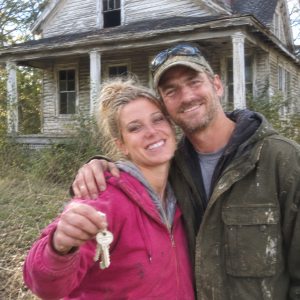
The officer came down the steps and handed me a new set of keys.
“The property has been secured under the order,” she said. “Your belongings have been checked and moved inside. Mr. Mercer has been given a time to collect the rest of his things through his attorney.”
I thanked her.
Colin looked at the keys in my hand.
“Can we talk about Wren?”
“You can speak with Margaret about arranging a visit. It will need to be planned safely and through the proper process.”
His expression tightened, but he nodded once. His mother shut the van’s rear door.
I opened the back seat and lifted Wren’s car seat carefully. She stirred, made a small sound, and settled again. I carried her up the steps while Margaret held the front door open.
Inside, the house was quiet. The champagne bottle was gone from the kitchen island. My canvases and sketchbooks had been brought in from the bags, and the broken bassinet pieces had been set aside for repair or replacement.
I walked to the nursery and stood for a moment beneath the little painted trees. The room was not finished in every detail, but the walls were soft and bright, and the crib stood where I had left it before going to the hospital. I laid Wren down gently, then watched her settle into sleep.
When I returned to the living room, sunlight had begun to reach through the windows, catching the dust in the air. I pulled the curtains open and let the light spread across the floor.
For years, I had thought dignity meant staying calm enough to be understood, generous enough to be loved, and patient enough to wait for someone else to recognize what I had given. I no longer believed that. Dignity did not depend on anyone’s applause, and it did not require me to keep explaining my worth to a person determined not to see it.
It was quiet, and it was mine. It was the choice to protect my daughter, to tell the truth, and to begin again without asking permission from the man who had tried to close the door.
I went back to the nursery and rested my hand on the crib rail. Wren’s small fingers curled beneath her blanket. For the first time since I had left the hospital, my shoulders began to loosen.
Outside, the clouds were lifting over the neighborhood. Inside, my daughter slept in the room I had made for her, and I finally let myself breathe.